
Dossier No. 02
Developing a micro gas turbine
A micro gas turbine developed from first principles, combining systems engineering, simulation, design iteration and testing.
Problem
The brief was a complete micro gas turbine, designed from first principles. Thermal testing revealed a persistent durability issue within the combustion system.
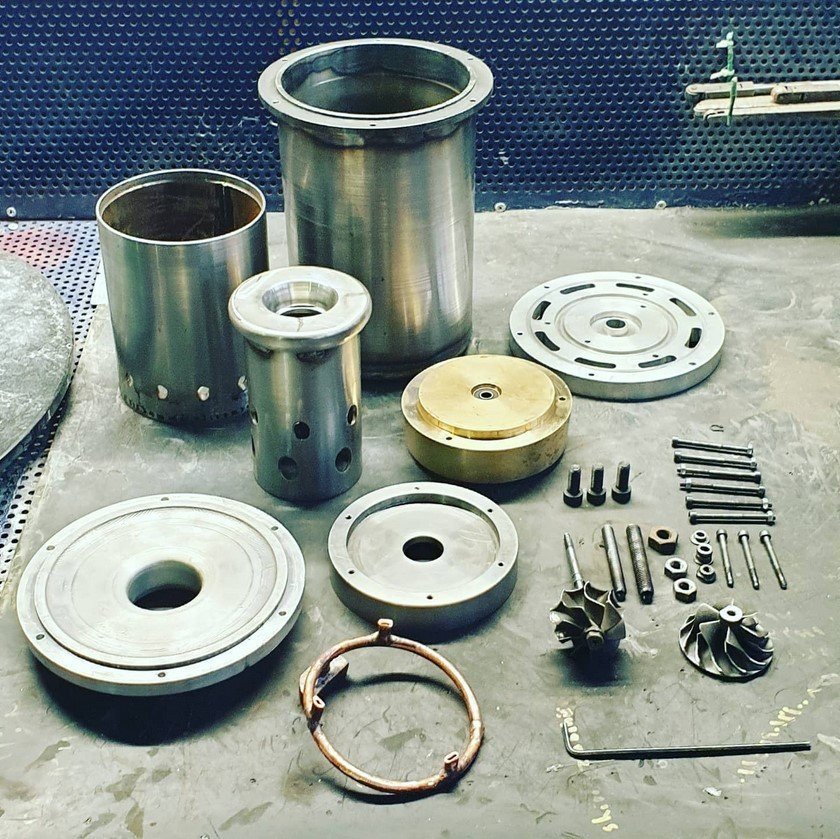
Journey
The conventional fixes didn't hold, so I took a different approach to managing the heat and proved it out through repeated rounds of simulation and testing. The chamber went through several design generations across the programme, each tested against the physics before it was committed to metal.
Outcome
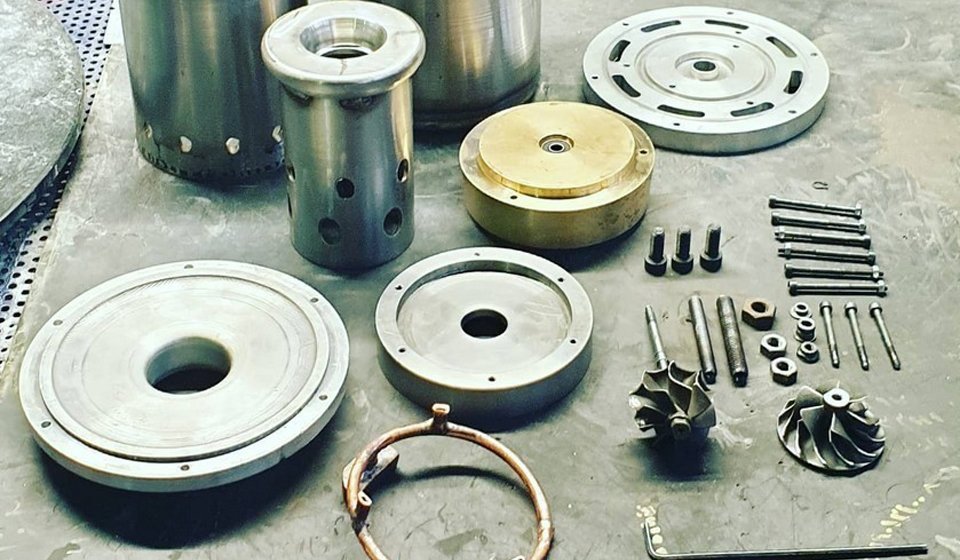
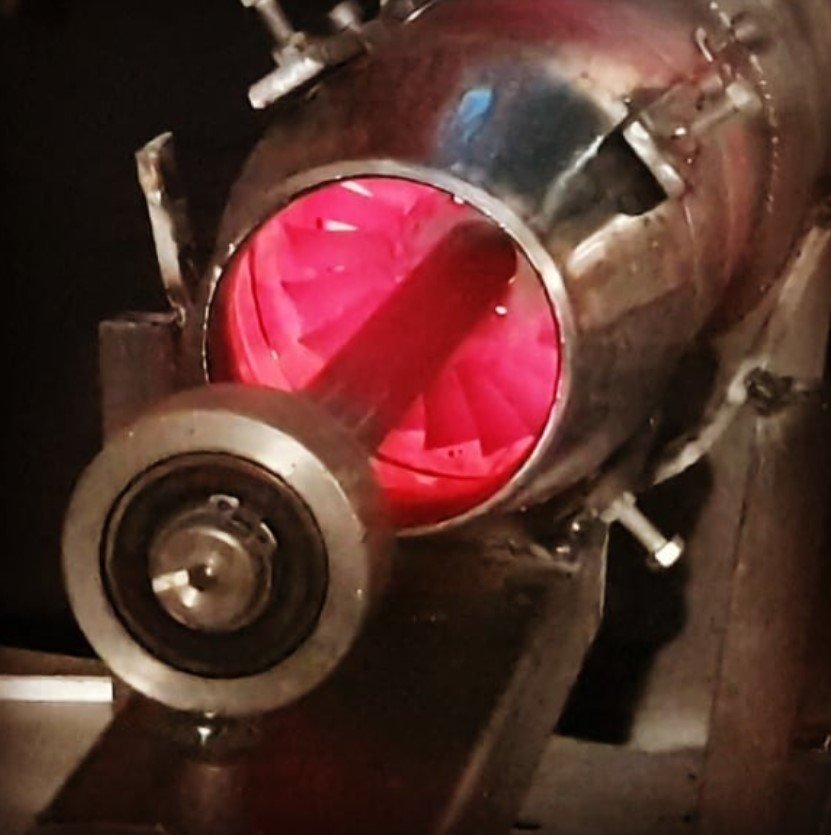
The durability issue was resolved by redesign rather than by added complexity. The team delivered the turbine in roughly twenty-four months, with full technical documentation behind it. This was a team achievement — engineers, technicians and a cohort of university students we coached inside the R&D group.
Reflection
The fix cost nothing but understanding. That is what simulation is for: not pictures, but the confidence to change a design where the physics says to change it.